Recap · August 4, 2025 · 30:42
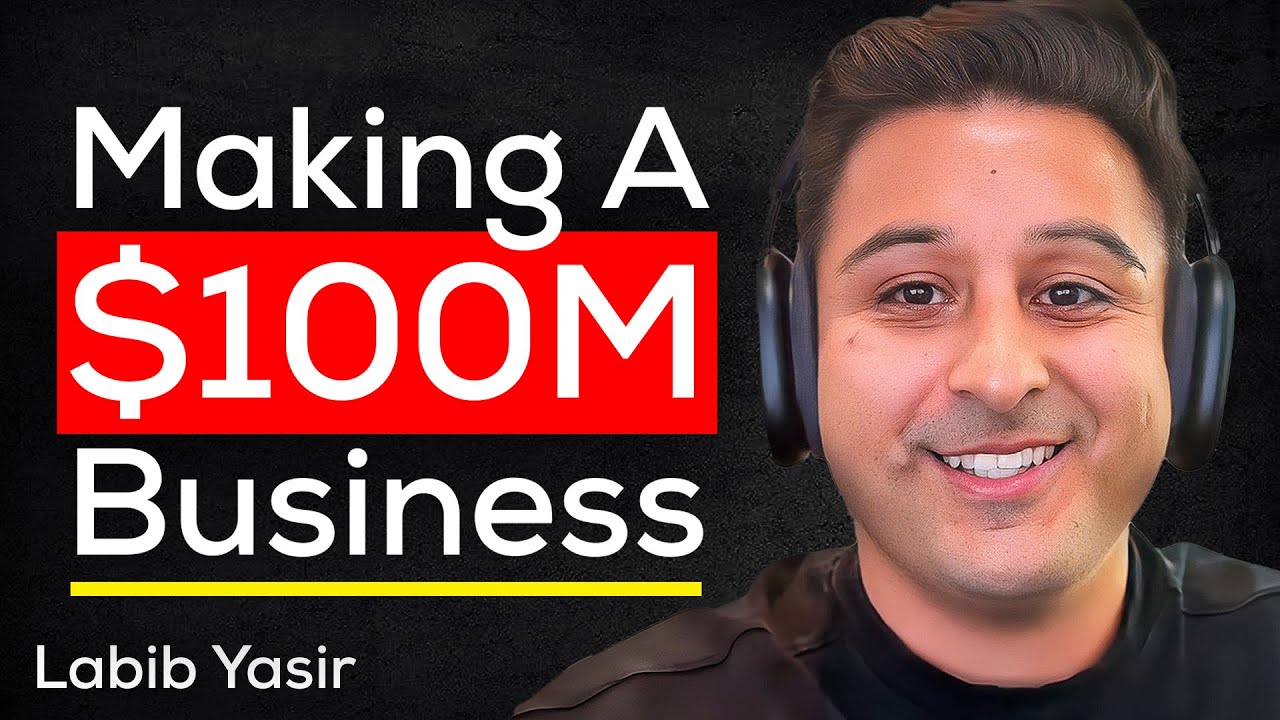
Qwerty: Best Trading Advice, Cupsey Effect, $PUMP Trade | TG Podcast
The Signal
Qwerty maps the path from competitive Fortnite to crypto trading, including the trades and mistakes behind his 2024 run. He and Threadguy compare Solana venues, the Cupsey effect, and the difference between useful market participation and simply copying a wallet.
Key Takeaways
- 01
Competition came first
Qwerty says he approached Fortnite tournaments with the same daily effort he later brought to markets, even though the gaming income never became meaningful.
- 02
Market structure still rules
His current view depends on Bitcoin and broader risk appetite before committing to a specific Solana or Base narrative.
- 03
Deployers move where incentives work
He says mass deployers had shifted toward Bonk after deciding Pump.fun was no longer worth their effort.
- 04
Visibility follows execution
The Cupsey discussion centers on work ethic, early positioning, and the way a public track record changes attention.
- 05
Trades are not templates
The exchange repeatedly returns to the idea that copying someone else’s execution misses the research and timing that created it.
On the Record
“I was not good. I made like a thousand bucks in my entire life.”
“It all depends on Bitcoin.”
“All the deployers are on Bonk and there's no one really doing anything on Pump.”
The Breakdown
A second interview
Qwerty says he had only done one previous podcast appearance before joining Threadguy. The opening is less about a polished origin story than the kind of routine he developed before crypto: he was already spending daily hours competing, studying, and looking for ways to turn a skill into money. The habit predates the particular market, which is why he treats trading as another competitive arena rather than an easy shortcut.
Fortnite before trading
He recalls playing every cash cup and event during COVID, including an in-person DreamHack event in California. The result was modest—he says he made about $1,000 in total—but the experience supplied a familiar pattern: treat a competitive arena seriously, collect repetitions, and accept that a lot of effort arrives before an obvious payoff. He describes it as an earnest attempt to go professional, even though the winnings did not justify the hours.
The 2024 run and a return
Threadguy frames Qwerty as someone who had a strong 2024, stepped back for a period, and returned with visible wins in assets such as PENGU and Kaito. Qwerty resists a single-cycle explanation. His answer is that the next move is conditional on Bitcoin, so he does not treat Solana, Base, or a new ecosystem as an automatic sequel to the prior mania. The chain question comes after the broader tape, not before it.
Where launches went
The Pump.fun conversation becomes a discussion of the people who actually create and circulate new narrative coins. Qwerty says mass deployers moved to Bonk because they no longer believed the economics on Pump were worth it. Without those deployers, he argues, the platform lacks the constant supply of new narrative opportunities that brings traders back. His explanation is about the marketplace’s participant mix rather than a claim that any single launch determines the outcome.
Signs of a hotter tape
Asked when he would return to eighteen-hour new-pair sessions, he points to repeated large runners and a more stable environment rather than a calendar date. The market needs enough activity for traders to see opportunities regularly, not just a one-off viral launch. Political news and tariffs are mentioned as factors that had made the broader environment harder to read. A hotter tape, in his account, is visible first in the frequency of opportunities rather than a slogan about a new cycle.
Cupsey and public proof
The Cupsey segment is a short study of attention around visible traders. Threadguy sees an unusually intense work ethic and early positioning; Qwerty agrees that the performance has been difficult to match. Their interest is not simply follower counts: a trader who consistently appears first in a fast market attracts a different kind of scrutiny and imitation.
A hard line on copying
The episode ends around the practical limits of following someone else’s wallet. Qwerty’s broader point is that the output—a buy or sell—is inseparable from the time spent watching volume, launches, and context. A copied trade can look simple after the fact, but the process that selected it cannot be transferred by a bot.
Distilled from the episode transcript · Counterparty Recap Desk