Recap · August 4, 2025 · 28:34
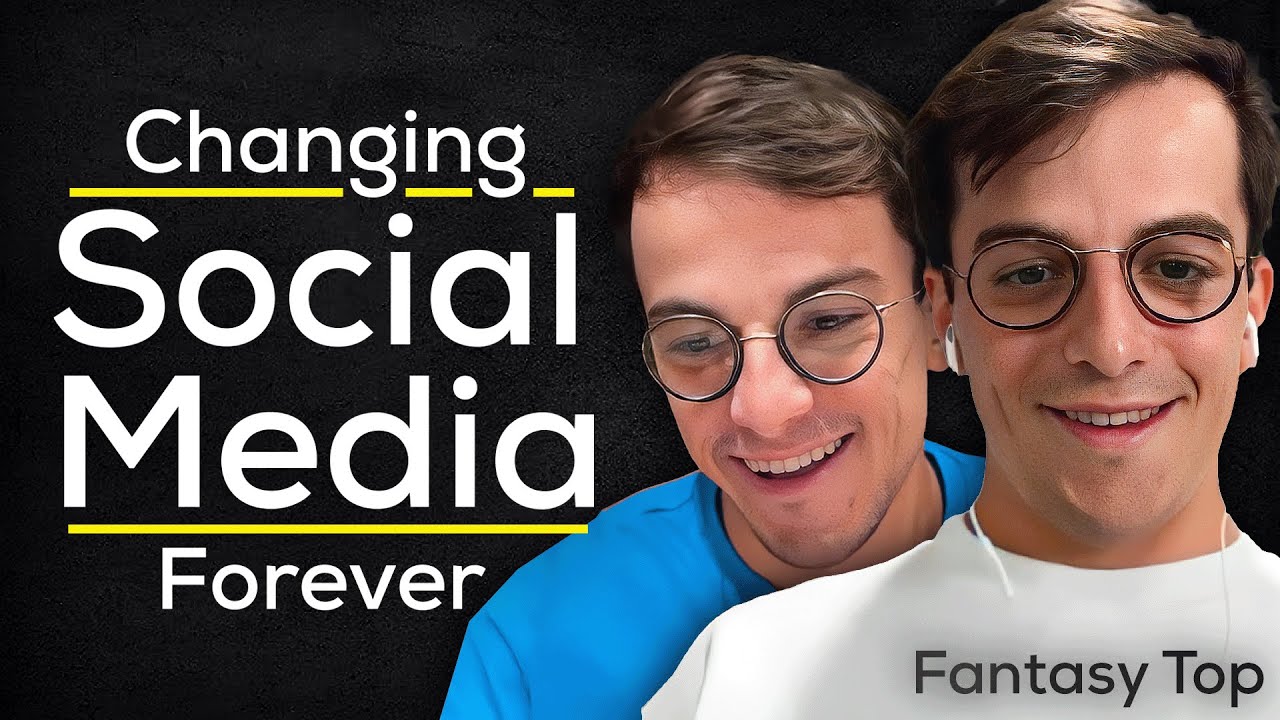
Ghoshal: Creating $DUPE, Ben Pasternak Beef, Crypto Investors | TG Podcast
The Signal
Ghoshal discusses Dupe as a commerce company using a tokenized community to unlock product supply, distribution, and belief. He argues that an ecosystem needs an obvious winner to demonstrate the model, and says Dupe’s ability to buy back tokens comes from a business that makes real revenue.
Key Takeaways
- 01
Product access is the point
Ghoshal says a holder connection has opened access to fashion-product blanks that Dupe can sell exclusively to a large existing fan base.
- 02
Community can supply distribution
He credits outside ecosystem participants for amplifying Dupe rather than claiming the company manufactured every move itself.
- 03
Revenue permits buybacks
Dupe can use company cash to purchase tokens only because its underlying commerce operations make money, he says.
- 04
A winner changes behavior
Ghoshal argues people need a visible breakout example before they believe an ecosystem or new launch format can work.
- 05
Believe needs proof
He sees Dupe as a candidate for that role in Believe, while emphasizing that users and community members provide the lift.
On the Record
“We built a jet. A jet still needs air under its wings to fly.”
“The only reason we can do that is because we make money as a company.”
“You need someone to do it first to show you that it's okay.”
The Breakdown
Landing from China and returning to Dupe
Ghoshal joins just after landing from China, joking that his vocabulary may be running slowly. Threadguy remembers their early direct messages around Dupe and asks what is consuming his attention now. The conversation stays close to the company’s core idea: using crypto not as a decorative layer but as a way to collect people, relationships, and commercial opportunities around a product.
A fashion unlock through holders
His clearest example comes from fashion. Ghoshal says one Dupe holder is a world-renowned designer who has a connection to a creator with products that retain millions of fans but are no longer available. That connection has opened access to the blanks, which Dupe intends to sell exclusively for about $20. He sees the supply relationship as an unlock generated by the coin-holder community.
The company needs air
Threadguy asks whether Dupe is the breakout project for Believe. Ghoshal answers affirmatively but stresses the distinction between building and distribution. Dupe built the product, he says, but people such as Gajira and other ecosystem participants brought attention, reviewed the work, and helped it travel. The jet metaphor is his way of saying a good product still requires supporters and circulation.
Buybacks follow operating economics
The discussion turns to the company buying its own token. Ghoshal says the practice is only possible because Dupe actually earns money as a business. He says many founders sell tokens because they need capital, and explicitly refuses to moralize about that. His narrower claim is that spending more than half a million dollars buying tokens is difficult unless the underlying economics are already healthy.
Who can lead an ecosystem
For Ghoshal, an ecosystem needs a project that visibly works before other founders and users become willing to follow. He compares it to a streamer coin reaching $100 million and making the category feel plausible for everyone else. The historical analogy offered is the four-minute mile: once a boundary is crossed publicly, other people stop treating it as impossible.
The importance of a winner
That conviction informs his view of Believe. Dupe’s rise helped lift other assets, including the Believe token, he says, in a cascading effect rather than a simultaneous launch. He does not claim sole credit for the move and instead returns to the people who noticed, analyzed, and rallied around the company. The project needs supporters precisely because the social proof is part of the product’s growth.
Commerce first, token second
The episode’s throughline is that the token is useful when it produces relationships a normal marketing funnel cannot. In Dupe’s case that means holders, designer access, an audience already interested in a discontinued product, and a company able to reinvest cash. Ghoshal’s version of crypto entrepreneurship is therefore practical: create a business with enough real activity that the community has something concrete to amplify.
Distilled from the episode transcript · Counterparty Recap Desk